Vakil Complex

Shiraz
Vakil Complex
The Visionary Legacy of Karim Khan Zand
The Enduring Charm of Vakil Bazaar Shiraz
Spiritual Sanctuary: The Vakil Mosque

Vakil Complex

Welcome to the Vakil Complex, the architectural masterpiece that defines the soul of Shiraz. Conceived and constructed in the 18th century by Karim Khan Zand, the founder of the Zand dynasty, this monumental complex is more than just a historical site—it is a unified urban core that seamlessly integrates commerce, faith, and daily social life. Walking through the Vakil Complex is to step directly into the golden age of the Zand era, experiencing a profound continuity of Persian urban planning and architectural elegance.

The Visionary Legacy of Karim Khan Zand

The Visionary Legacy of Karim Khan Zand

The Vakil Complex stands as a direct embodiment of the vision of Karim Khan Zand, the founder of the Zand dynasty, who ruled Persia in the 18th century. Unlike many rulers who sought grand titles, Karim Khan chose to be known as Vakil ar-Ra‘āyā, "Regent of the People," reflecting his dedication to public welfare. His extensive urban development projects in Shiraz were centered around creating a self-sufficient, prosperous capital. This integrated urban core was designed to seamlessly blend commerce, faith, and social life, fostering a stable and thriving society.

Shiraz: Capital of the Zand Dynasty

When Karim Khan Zand selected Shiraz as his capital, he embarked on an ambitious campaign to transform the city into an imperial center. The geographical location of the Vakil Complex in the historical heart of Shiraz made it an easily accessible and natural starting point for the city’s vibrant cultural and commercial life. The entire site is not merely a collection of buildings but a magnificent and complete urban legacy, showcasing the Zand dynasty's architectural prowess and urban planning acumen. Its construction initiated a golden age for Shiraz, establishing a clear, ordered structure for the city's growth and development, with this complex serving as its heart.

Vakil ar-Ra‘āyā: Regent of the People

Karim Khan Zand's unique approach to governance deeply influenced the design and function of the Vakil Complex. His philosophy, centered on serving the needs of his citizens, ensured that this grand complex provided easy access to all essentials: goods in the bazaar, spiritual observance in the mosque, and hygiene in the bathhouse. This comprehensive plan made the Vakil Complex a direct reflection of his commitment to a stable, prosperous, and well-ordered society where commerce and community were paramount. It was intended to be the central spine, a protected and controlled environment that also anchored the city’s spiritual life.

The Pillars of the Vakil Complex: Commerce, Faith & Society

The true genius of the Vakil Complex lies in its integrated design, uniting three essential components into a single, cohesive unit. These pillars—the bustling Vakil Bazaar, the serene Vakil Mosque, and the functional Vakil Bathhouse—together form a complete ecosystem that sustained the urban life of Shiraz for centuries. Each element serves a distinct purpose while contributing to the overall harmony and functionality of the entire ensemble.

The Enduring Charm of Vakil Bazaar Shiraz

The Enduring Charm of Vakil Bazaar Shiraz
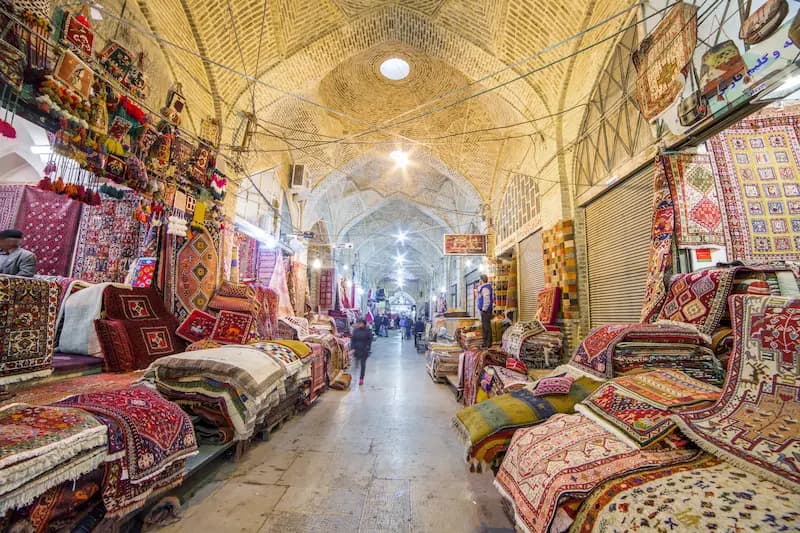
Arguably the most famous part of the complex, the Vakil Bazaar Shiraz remains a key economic artery of the city. Known for its grand, vaulted brick architecture, it continues to be a bustling marketplace, echoing centuries of trade and cultural exchange. The architectural marvel of its vaulted ceilings, built for both beauty and practicality, allowed for excellent ventilation, keeping the bazaar cool during Shiraz’s scorching summers. The layout includes thematic divisions, or rastehs, each traditionally dedicated to specific goods like carpets, spices, or copperware. Interspersed within are beautiful courtyards, known as timchehs and caravanserais, which historically served as specialized, high-end trading spaces, adding layers to the commercial hierarchy of this Zand-era complex.

Spiritual Sanctuary: The Vakil Mosque

Spiritual Sanctuary: The Vakil Mosque
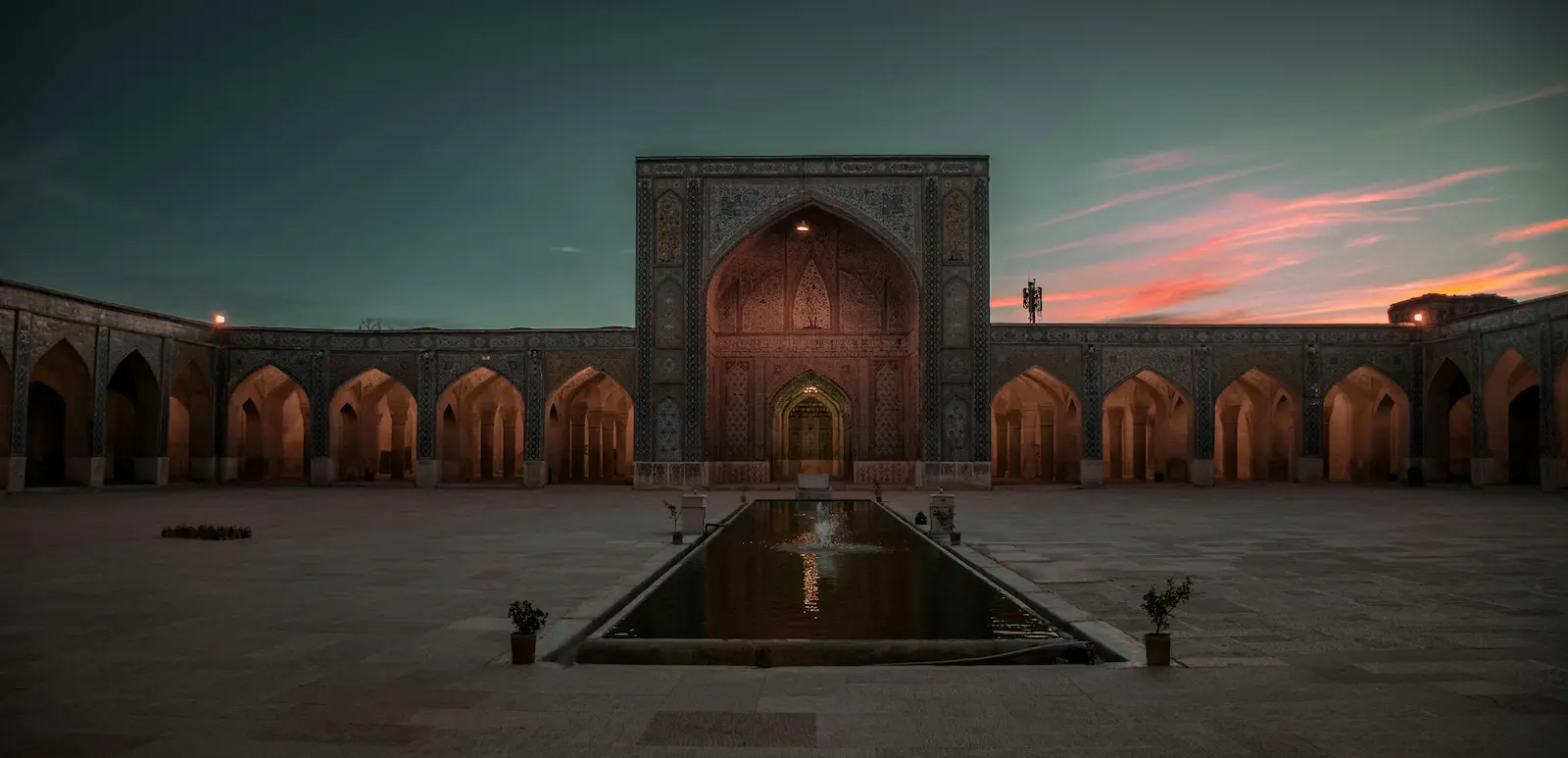
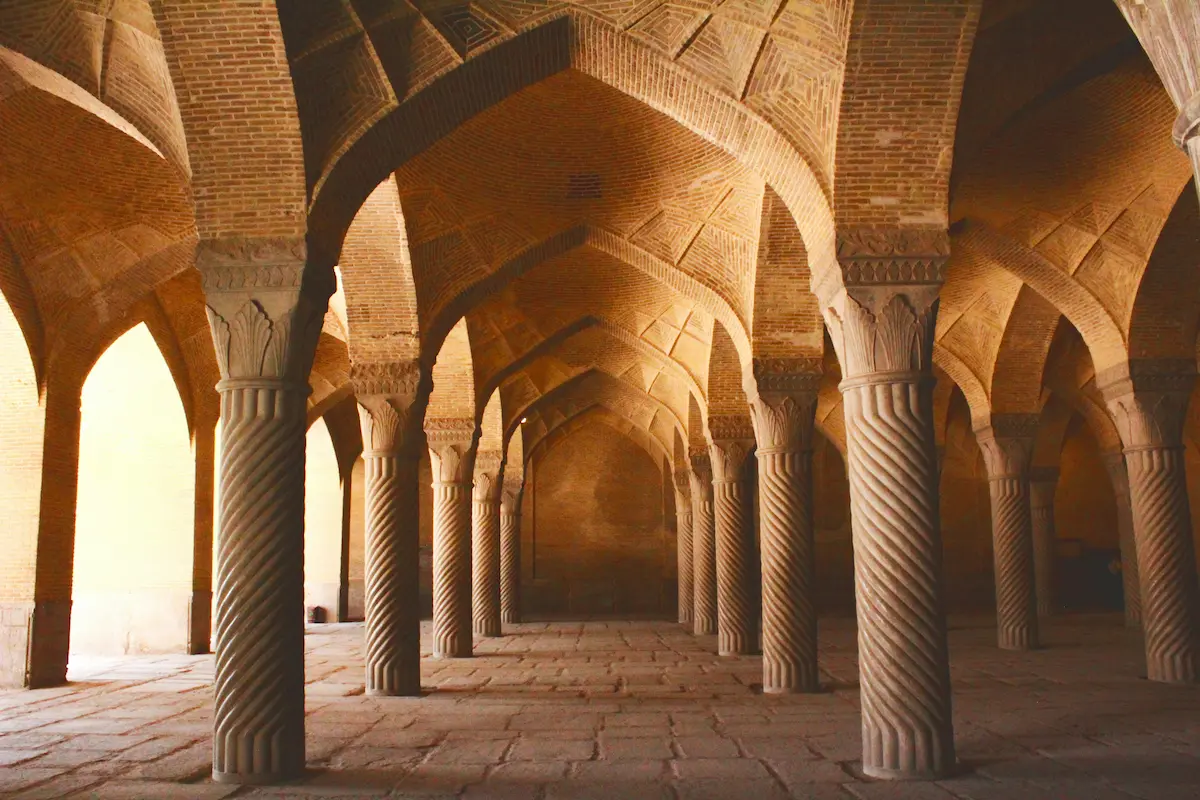
Located on the western side of the bazaar, the Vakil Mosque provides a serene and spiritual counterpoint to the commercial activity of the Vakil Complex. Its elegance is characterized by its majestic scale and unique interior design, especially its vast winter prayer hall (Shabestan). This hall is supported by 48 identical, spirally fluted stone pillars, creating a mesmerizing, seemingly endless architectural effect. While the columns emphasize structural integrity, the external iwans and sanctuary walls are richly decorated with stunning Zand and Qajar-era tilework. The vibrant floral patterns in soft pinks, yellows, and blues, coupled with masterfully executed calligraphic inscriptions from the Quran, highlight the high level of artistic skill employed in this remarkable mosque.

The Social Fabric: Vakil Bathhouse (Hammam-e Vakil)

The Social Fabric: Vakil Bathhouse (Hammam-e Vakil)
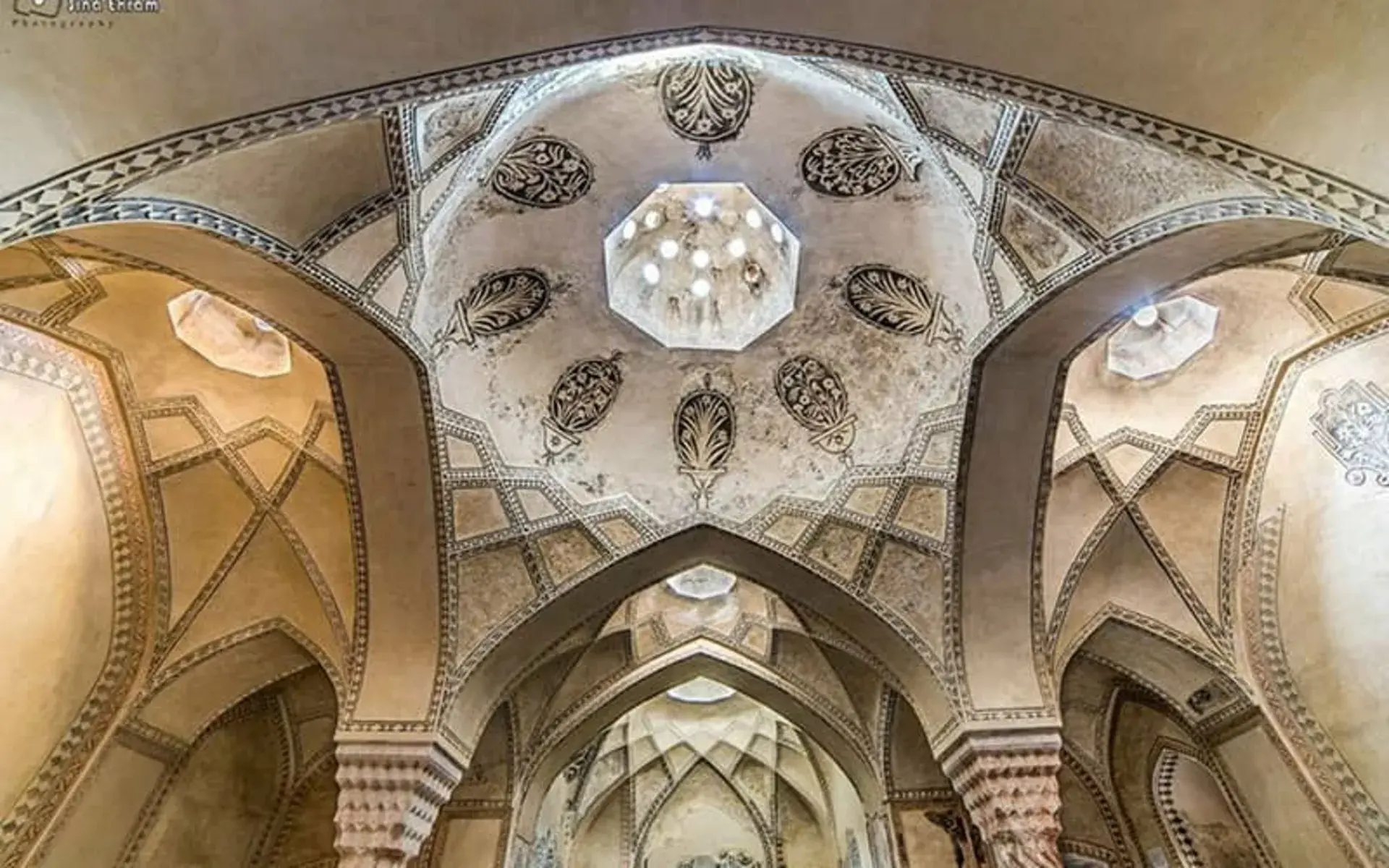
Completing the urban trifecta, the Vakil Bathhouse, or Hammam-e Vakil, located near the Vakil Mosque, underscores the importance of hygiene and social gathering in Persian culture. Its architecture is masterfully designed around temperature and light management, transitioning visitors from the octagonal Sarbineh (dressing room), a primary social hub, to the warmer Garmkhaneh (hot room) for bathing. Historically, the public bath was more than a place for cleaning; it was a critical social institution for meetings, relaxation, and cultural rituals. Today, this part of the complex has been converted into a museum, using wax figures to vividly depict the traditional activities and social atmosphere that once thrived within its walls.

Architectural Grandeur: The Zand Style Defined
Architectural Grandeur: The Zand Style Defined

The entire Vakil Complex serves as the definitive reference point for the distinct Zand architectural style. Often contrasted with the more elaborate and geometrically complex Safavid style, Zand architecture champions a robust, simple elegance. Karim Khan Zand's architects focused on creating massive, durable structures with clear, symmetrical lines, prioritizing structural integrity and a feeling of solid permanence. This functional yet dignified approach is evident in every corner of this historical site, from the powerful columns of the mosque to the immense brick vaults of the bazaar.

Simplicity, Robustness, and Scale

The core design principles of the Zand Dynasty, as perfectly embodied in the Vakil Complex, emphasized strength and proportion. Unlike the often visually overwhelming Safavid period, Zand builders opted for a less ornate, more grounded aesthetic. The Vakil Bazaar Shiraz, for instance, showcases impressive brick vaults that are not only beautiful but also engineered for maximum durability and climate control. This preference for sturdy, well-proportioned forms over excessive ornamentation gives the complex a timeless and imposing presence, conveying a sense of quiet dignity that resonates through its ancient walls. This architectural ethos reminds us of the practical yet profound engineering skills of the era, a testament to enduring Persian craftsmanship, much like the grand scale of nearby Persepolis.

Artistry in Detail: Tiling and Carvings

While the structures of the Vakil Complex prioritize robustness, beauty was by no means sacrificed. The artistic features are characterized by exquisite stone carving, particularly the detailed floral muqarnas (corbelled arches) found at the mosque entrance. The use of beautiful, often floral-themed tiling in soft yellows, pinks, and greens is another hallmark. The distinct Zand style of tiling, known for its single-color tiles adorned with painted motifs, provides a delicate contrast against the powerful scale of the brick and stone structures. These intricate details, often depicting natural elements and calligraphic verses, add layers of sophistication and visual delight, inviting closer inspection and appreciation of the craftsmanship across the complex.

Navigating Your Visit to the Vakil Complex

To fully appreciate the historical and cultural significance of the Vakil Complex, a well-planned visit is essential. This integrated urban core, consisting of the bazaar, mosque, and bathhouse, each has its own rhythm and highlights. Understanding their individual operating hours and navigating the bustling environment will ensure a smooth and enriching exploration of this magnificent Zand-era masterpiece in Shiraz.

Understanding the Layout and Highlights

The Vakil Complex is centrally located in Shiraz's historical district, making it highly accessible and a natural starting point for any city tour. It’s easily reachable on foot from other major landmarks like the Karim Khan Citadel and the Narenjestan Qavam Garden. The entire area is pedestrian-friendly, offering the most rewarding way to experience the site. As you explore, remember that the Vakil Bazaar Shiraz is a labyrinth of intertwined rastehs and timchehs; taking note of specific entry points can help prevent getting lost while maximizing your discovery of hidden gems within this historical market.

Essential Tips for an Immersive Experience

To truly immerse yourself in the atmosphere of the Vakil Complex, here are some practical tips. First, wear comfortable shoes as you'll be doing a lot of walking, especially through the extensive bazaar. Second, if you plan to purchase handicrafts, be prepared to bargain politely—it's part of the cultural experience. Third, consider visiting during the late morning on a weekday (Saturday to Wednesday) to experience the bazaar at its most vibrant without the weekend crowds. Finally, allow ample time for each component of the Vakil Complex, as the mosque, bathhouse museum, and bazaar each offer unique insights and photographic opportunities.

What to Do at the Vakil Complex

Explore the Labyrinthine Vakil Bazaar

Wander through the vaulted brick arches of the historic Vakil Bazaar. Hunt for unique Persian carpets, exquisite spices, traditional handicrafts, and local sweets. Don't be afraid to practice polite bargaining for a truly authentic experience.

Marvel at the Vakil Mosque's Architecture

Step into the serene Vakil Mosque and be captivated by its majestic Shabestan (winter prayer hall), supported by 48 spirally fluted stone pillars. Admire the intricate Zand-era tilework and calligraphic artistry that adorns its courtyards and entrances.

Step Back in Time at the Vakil Bathhouse Museum

Visit the restored Vakil Bathhouse (Hammam-e Vakil), now a fascinating museum. Explore its distinct sections, from the octagonal Sarbineh to the warm Garmkhaneh, brought to life with wax figures depicting traditional bathing rituals and social interactions.

Savor Shirazi Flavors in Nearby Eateries

After exploring, indulge in the culinary delights of Shiraz. The area around the Vakil Complex boasts numerous traditional restaurants and cafes where you can sample local dishes like Kalam Polo (cabbage and rice), Faloodeh Shirazi, and refreshing sour cherry drinks.

Your Practical Guide to Visiting the Vakil Complex

Best Time to Visit

The ideal time to visit the Vakil Complex is during late morning (10 AM – 12 PM) on a weekday (Saturday to Wednesday) to experience the bazaar at its most vibrant. For pleasant weather across the entire complex, consider visiting in Spring (March-May) or Autumn (September-November).

Getting There

The Vakil Complex is centrally located in Shiraz's historical district. It is easily accessible on foot from other major landmarks such as the Karim Khan Citadel and the Narenjestan Qavam Garden. Taxis and ride-sharing applications (like Snapp or Tap30) are readily available from anywhere in Shiraz.

Entrance Fee

The Vakil Bazaar itself has no entrance fee. However, the Vakil Mosque and the Vakil Bathhouse typically have separate entrance fees. Expect to pay approximately $5-10 USD for foreign tourists for each individual attraction.

Visiting Hours

Vakil Bazaar: Generally open from 9:00 AM to 8:00 PM, though some shops may close earlier. It is typically closed on Fridays and public holidays. Vakil Mosque & Bathhouse: Usually open daily from 8:00 AM to 6:00 PM. Hours may vary seasonally, so it's advisable to check locally.

Frequently Asked Questions

Author: Deytrips Team
Was this content helpful?

Plan Your Journey to Shiraz

Discover the heart of Persian culture with our curated tours and immerse yourself in the rich history of Iran.

Explore Shiraz Tours