Tehran Grand Bazaar

Tehran
Tehran Grand Bazaar
The Enduring Legacy of the Tehran Grand Bazaar
 Tehran Grand Bazaar
Vaulted Ceilings and Ingenious Lighting

Tehran Grand Bazaar

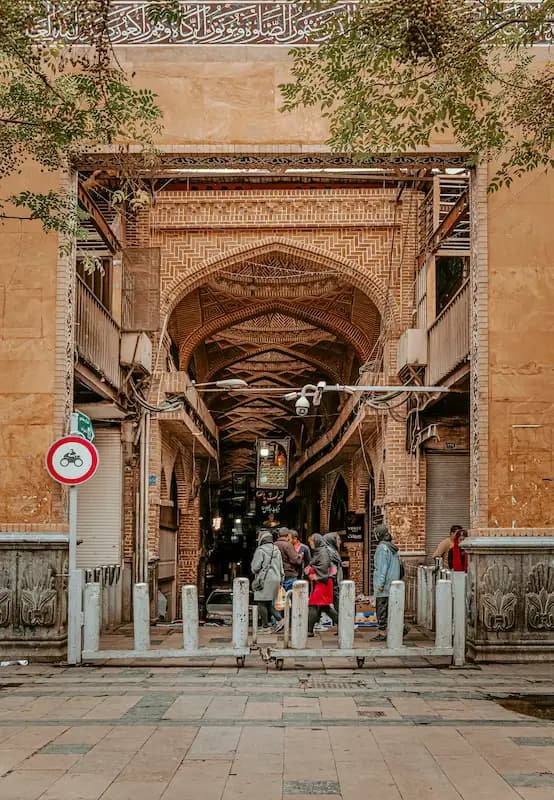
More than just a marketplace, the Tehran Grand Bazaar (Bazaar-e Bozorg-e Tehran) is the pulsating economic and cultural heart of Iran, a monumental piece of living history. Spanning over 10 kilometers of labyrinthine corridors, this sprawling marketplace offers an unparalleled window into the country’s ancient commercial traditions and daily life. It is arguably the most important historical and commercial complex in the capital, acting as a massive urban hub and one of the premier historical attractions that draws millions of visitors, merchants, and tourists annually, offering a truly unmatched cultural and commercial experience.

The Enduring Legacy of the Tehran Grand Bazaar

The Enduring Legacy of the Tehran Grand Bazaar

The Tehran Grand Bazaar stands as a testament to Iran's rich mercantile past and its vibrant present. Far from being a mere collection of shops, it is a self-contained city within a city, reflecting centuries of Iranian economic, social, and cultural life. Its sheer scale and historical depth make it a must-visit for anyone seeking an authentic Iranian experience, rivaling the grandeur of other historical bazaars across the region, and a cornerstone of any comprehensive cultural tour of Iran.

A Labyrinth of History and Commerce

 Tehran Grand Bazaar
Known as Bazaar-e Bozorg-e Tehran, this immense complex is a throbbing economic heart that has pulsed for centuries. Its over 10 kilometers of covered passages house thousands of shops, workshops, and traditional enterprises. Every turn reveals a new specialty, a new scent, and a new story, making it an endless source of fascination for visitors and a vital commercial artery for the nation. Exploring its depths offers a unique insight into a trading culture that has endured for millennia.

Geographical Heartbeat of Tehran

Strategically nestled in District 12, the historical downtown of Tehran, the Tehran Grand Bazaar is bounded by significant thoroughfares: Molavi (Mawlana) to the south, Sirus (Mostafa Khomeini) to the east, Buzarjomehri (Panzdah Khordad) to the north, and Khayyam to the west. Key access points include Panzdah Khordad Square, the bustling northern gateway, and Sabz-e Meydan (Green Square), a historically pivotal gathering point within the Bazaar’s confines, making navigation an adventure in itself.

Tracing the Bazaar's Storied Past

The history of the Tehran Grand Bazaar is intricately woven into the fabric of Iranian dynasties. From its humble Safavid beginnings to its glorious Qajar expansion, each era left an indelible mark, shaping the Bazaar into the magnificent complex we see today. It offers a fascinating journey through time, paralleling the vibrant bazaars of Isfahan or Shiraz in its historical significance.

From Safavid Foundations to Qajar Grandeur

Evidence suggests the earliest foundations of the Tehran Grand Bazaar emerged during the Safavid era, specifically under Shah Tahmasp I (1524–1576), coinciding with Tehran’s initial fortification. Initially simple, unroofed sections, its first major expansion occurred during the Qajar Dynasty. Fath Ali Shah Qajar (1797–1834) commissioned new plazas, significantly expanding the Bazaar and forging a crucial commercial link between the Arg (citadel) and the Jameh Mosque, initiating the construction of many famous Saray (caravanserais) and arcades.

The Golden Age Under Naser al-Din Shah

The reign of Naser al-Din Shah Qajar (1848–1896) marked a true golden age for the Tehran Grand Bazaar. Guilds and specialty markets proliferated, with notable additions like the Beynol Harameyn Bazaar, Amir Bazaar, Saray-e Amir, and the Kafash’ha (Shoemakers) Bazaar. Specialized sections became prominent: Farsh Forushan (Carpet Sellers), Zargarha (Goldsmith), Abbas Abad, and Mes Garan (Coppersmith). This period solidified the classic structure, with each Timcheh (arcade) and Saray maintaining its distinct commercial identity, embodying the essence of the Tehran Grand Bazaar.

Navigating the Architectural Marvels

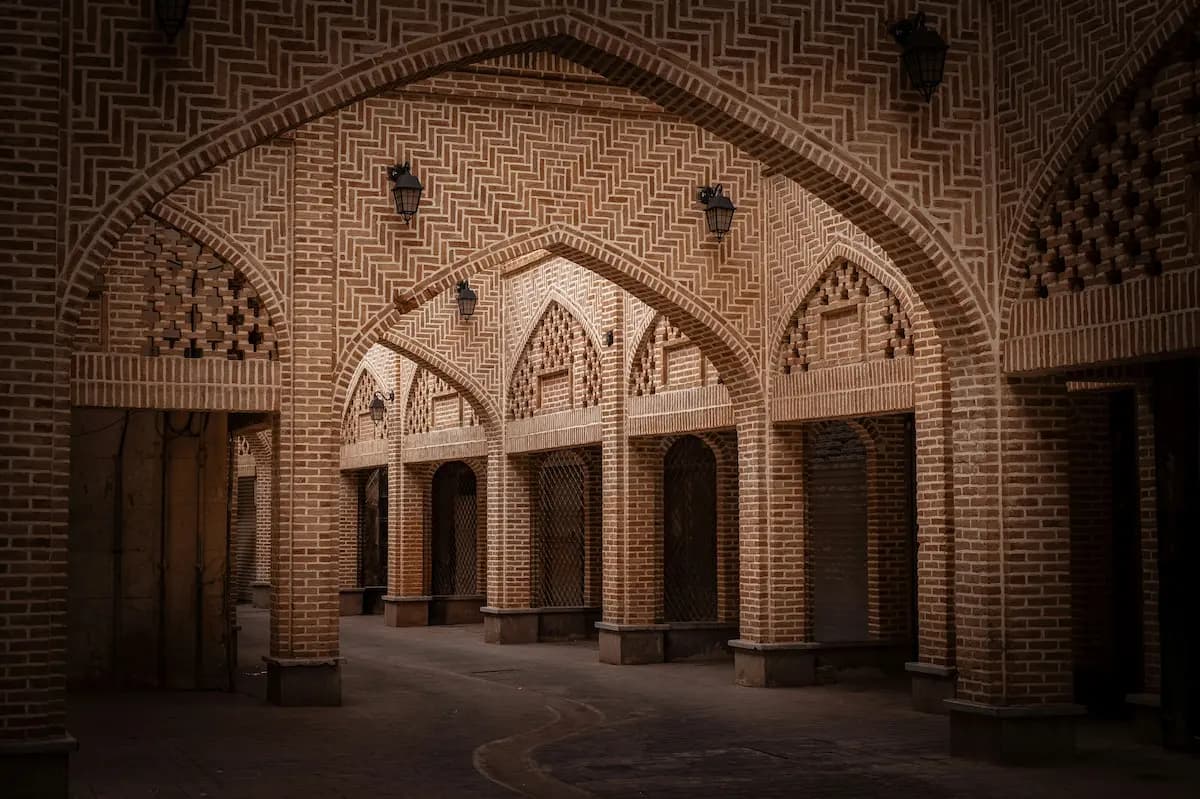
The architecture of the Tehran Grand Bazaar is a marvel of traditional Persian engineering, skillfully blending aesthetic beauty with practical functionality. It's a living museum of vaulted brickwork, intricate domes, and ingenious natural lighting solutions that have stood the test of time, defining the experience of exploring the Tehran Bazaar.

Vaulted Ceilings and Ingenious Lighting

Vaulted Ceilings and Ingenious Lighting
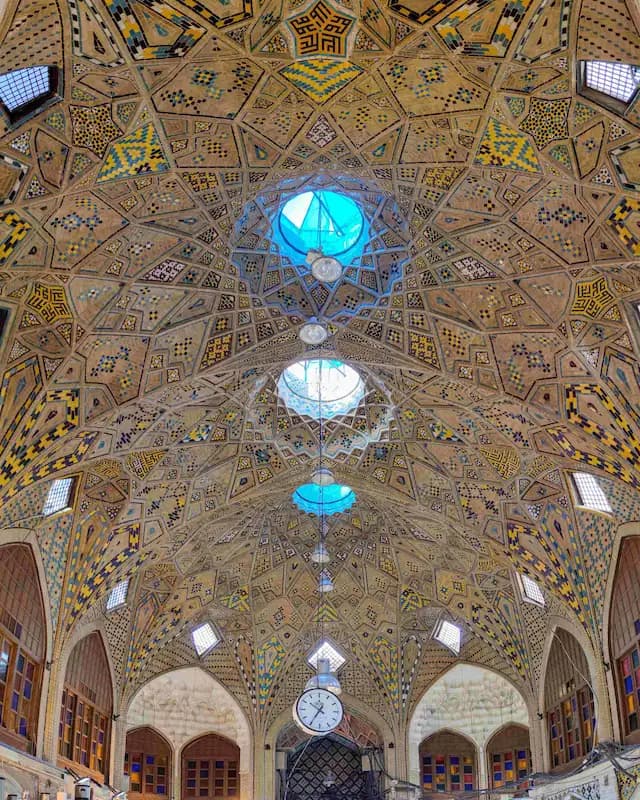
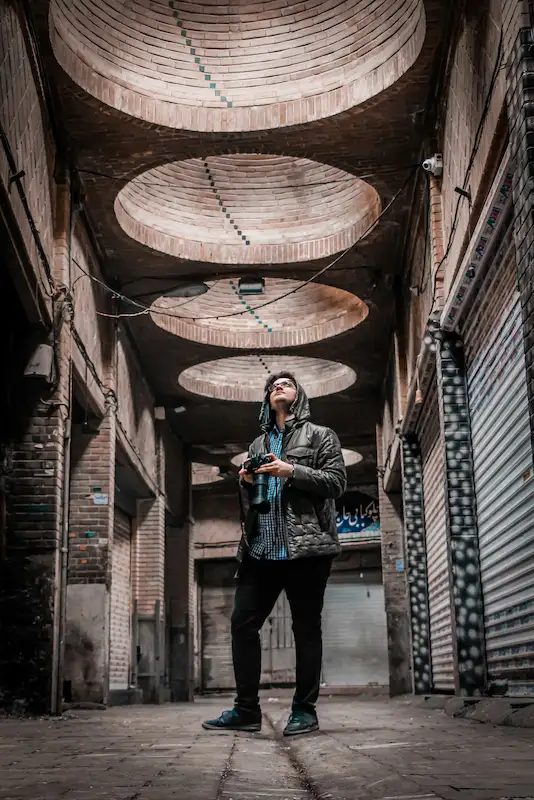
The oldest sections of the Tehran Grand Bazaar are characterized by their majestic vaulted brick ceilings, arches, and domes. This traditional construction technique not only provides structural integrity but also ingeniously regulates the internal temperature, offering a cool respite in summer and warmth in winter. Natural light filters through small, strategically placed outlets in the domes, known as Roshandan ('light-bringers'), creating a soft, mesmerizing illumination ideal for showcasing goods while minimizing direct sun exposure.

Iconic Structures: Timchehs, Sarays, and Chahar Suqs

Iconic Structures: Timchehs, Sarays, and Chahar Suqs
The Bazaar is a network of specialized sections, historical arcades (Timcheh), and magnificent caravanserais (Saray). The Hajeb al-Dowleh Arcade and Mahdiyeh Arcade, known for its superb Yazdi Bandi (complex decorative plasterwork), are prime examples of Timchehs. The Chahar Suq Bozorg, an octagonal space under a short circular dome built in 1807, exemplifies the Bazaar’s architectural grandeur. Impressive Sardar-e Bazaar (Bazaar Transom) entrances, such as the one at Sabz-e Meydan, welcome visitors, hinting at the treasures within the Tehran Grand Bazaar.

A World of Specialized Wares: Exploring the Bazaar's Districts

The Tehran Grand Bazaar is not just one market but a collection of hundreds of specialized smaller bazaars, each dedicated to a particular trade. This organization reflects centuries of commercial tradition and offers a fascinating journey through Iran's diverse craftsmanship and commodities. It's an essential experience for anyone exploring the rich tapestry of Persian craftsmanship, a highlight of any shopping tour.

Craftsmanship and Commodities

Craftsmanship and Commodities
Visitors can wander through the Kafashan (Shoemaker) Bazaar, a historic core known for leather goods and footwear. The Farsh Forushan (Carpet Sellers) Bazaar is a world unto itself, displaying exquisite Persian rugs. The Zargarha (Goldsmith) Bazaar dazzles with intricate jewelry, while the Mes Garan (Coppersmith) Bazaar, though evolved, still echoes ancient traditions. Each section offers a glimpse into specific aspects of Iranian artistry and trade within the vast Tehran Grand Bazaar.

Sabz-e Meydan: The Green Heartbeat

Sabz-e Meydan: The Green Heartbeat
Located on the northern side of the complex, Sabz-e Meydan (Green Square) is historically significant. Dating back to the Safavid era and renovated extensively in 1852 by Amir Kabir, it served as a crucial social, political, and religious center. Today, a beautiful, wide Sardar-e Bazaar entrance on its south side leads directly into various specialized corridors, making it a common and impressive entry point for those venturing into the diverse realms of the Tehran Grand Bazaar.

What to Do at Tehran Grand Bazaar

Shop for Traditional Persian Crafts

Lose yourself in the specialized sections like the Farsh Forushan for carpets, Zargarha for gold, or Mes Garan for copperware. Discover unique souvenirs, textiles, and spices.

Indulge in Authentic Iranian Cuisine

Sample delicious local street food or dine in one of the traditional eateries within the Bazaar. Don't miss the famous Kebab at Shamshiri or the hearty Abgoosht at Azari Tea House.

Explore Historical Arcades and Caravanserais

Wander through architectural gems like Hajeb al-Dowleh Arcade and Saray-e Amir. Admire the vaulted ceilings and intricate designs that whisper tales of centuries past.

Practice Your Bargaining Skills

Engage with friendly merchants and experience the thrill of haggling. It’s an integral part of the Bazaar culture and a fun way to interact with locals.

Your Practical Guide to Visiting Tehran Grand Bazaar

Best Time to Visit

Spring (March-May) and Autumn (September-November) offer pleasant weather. Weekdays, from 10:00 AM to 3:00 PM, are ideal to avoid peak crowds, though the early morning offers a quieter, authentic local experience.

Getting There

The most efficient way to reach the Tehran Grand Bazaar is by Tehran Metro. Take Line 1 (Red Line) to Panzdah Khordad Station, which exits directly onto the main northern entrance, Panzdah Khordad Square. Khayyam Station (Line 1) or Molavi Station (Line 7) also provide access to different sides of the complex. Taxis and ride-sharing services are available but traffic can be challenging.

Entrance Fee

The Tehran Grand Bazaar itself is free to enter, allowing visitors to explore its vast network of shops and corridors without charge. However, some specific historical sites, such as certain mosques or private exhibition spaces within the Bazaar, may charge a small entrance fee, typically around $2-5 USD for foreign visitors.

Visiting Hours

Most shops and sections of the Tehran Grand Bazaar operate from Saturday to Thursday, 9:00 AM to 5:00 PM. The Bazaar is largely closed on Fridays and official Iranian public holidays, though a very limited number of tourist-focused shops near major entrances might remain open.

Frequently Asked Questions

Author: Deytrips Team
Was this content helpful?

Discover the Heart of Iran with Deytrips

Ready to experience the vibrant pulse of the Tehran Grand Bazaar and beyond? Let Deytrips craft your unforgettable journey through Iran's rich history and culture.

Plan Your Iran Adventure