Kavir National Park

Semnan
Kavir National Park
Unveiling Kavir National Park: Iran's Central Desert Gem
kavir national park - A Jewel in Iran's Vast Central Desert
Iconic Mammals of the Iran Kavir Wildlife

Kavir National Park

Nestled within Iran's vast central desert plateau, Kavir National Park is an extraordinary ecological jewel, spanning an impressive 686,598 hectares. This remarkably unspoiled wilderness is recognized for its rich flora and fauna, offering a unique glimpse into Iran's arid ecosystems. Visitors seeking to delve into Iran's profound historical and natural heritage will find Kavir National Park a captivating destination, showcasing the astonishing adaptations of life in extreme desert conditions. Approximately 50 km southeast of Tehran, it stands as a testament to nature's resilience and a vital part of Iran National Parks.

Unveiling Kavir National Park: Iran's Central Desert Gem

Unveiling Kavir National Park: Iran's Central Desert Gem
Kavir National Park, Iran, is much more than just a protected area; it's a living laboratory of adaptation and survival in one of the world's most challenging environments. Situated at the western edge of Iran’s Central Desert, this expansive park offers a comprehensive understanding of arid ecosystems, making it a critical site for both scientific research and eco-tourism. Its designation as one of the premier Iran National Parks underscores its ecological significance.

A Jewel in Iran's Vast Central Desert

kavir national park - A Jewel in Iran's Vast Central Desert
Spanning an impressive 686,598 hectares, Kavir National Park is a brilliant ecological jewel within the central desert plateau. Its largely untouched landscape represents a vital, unspoiled example of nature's raw beauty, showcasing how life thrives with minimal rainfall. This quintessential dry, desert ecosystem, often referred to as Dasht-e Kavir, compels its limited vegetation and unique Iran Kavir Wildlife to develop astonishing survival adaptations over millennia. Its proximity to urban centers like Tehran (approximately 50 km southeast) makes it an accessible yet profoundly wild destination.

Geographical Positioning and Administrative Reach

The unique expanse of Kavir National Park is strategically situated at the crossroads of four major central provinces of Iran. This geographical spread contributes to its diverse ecological and cultural features. Administratively, the park boundaries encompass portions of Tehran Province (Varamin), Semnan Province (Garmsar), Isfahan Province (Abuzeydabad from Kashan), and Qom Province. The city of Kashan, known for its historical gardens and traditional houses, is a convenient gateway for visitors approaching from the south, offering cultural richness alongside natural exploration.

Diverse Landscapes and Hydro-Ecological Dynamics of Dasht-e Kavir

The natural attractions of Kavir National Park reveal a surprising variety within its arid climate. From towering isolated mountains to vast plains and peculiar salt flats, the landscape tells a story of geological forces and resilient life, making it an especially intriguing destination for those exploring a Desert National Park, Iran.

Majestic Highlands and Singular Mountain Habitats

The park's topography is punctuated by several mountains that enhance its visual appeal and provide crucial habitats. Siah Kooh (Black Mountain), reaching 1,865 meters, is the most prominent, located almost at the center of the Kavir desert. Its valleys, rich with small wild almonds and freshwater springs, create prime conditions for species like the Wild Goat (Bezoar), Ram, and Ewe. The Nakhjir mountain range to the east also serves as a vital refuge for these same animals.

Expansive Plains, Steppes, and the Enigmatic Playas

Kavir National Park features extensive plains and steppe regions. Plains like Baghu Zagh Ab and Mobarak boast significant cover of drought-resistant trees such as Tamarix (Gaz), Haloxylon (Tagh), and Zygophyllum (Geych). Other plains, including Nessar and Sineh-e Shekar Ab, are crucial habitats for the graceful Chinkara (Indian Gazelle) and the reintroduced Iranian Zebra (Onager). The park also showcases unique 'Playas' or 'Daqs'—shallow, saline basins that periodically accumulate water and, when dry, transform into cracked clay flats covered with salt deposits, such as Daq Kashkooli and Daq Sorkh.

Lifelines in the Desert: Rivers and Essential Springs

Water is the most vital determinant of life in this harsh ecosystem. The Band-e Ali Khan River is the most significant river feeding the protected area, while a tributary of the Qara Chai River flows near the park's boundaries. Both attract a variety of aquatic migratory birds, including geese and ducks, particularly in winter. Numerous springs dot the landscape, acting as critical watering holes for Iran Kavir Wildlife. The Shahi Fountain of Siah Kooh, for instance, not only supplied the historic Shah Abbasi Caravanserai but also provides water for Wild Goats, while Eynolrashid Spring sustains Chinkara, Ram, and Ewe.

A Haven of Biodiversity: Flora and Fauna of Kavir National Park

Despite its seemingly barren appearance, Kavir National Park is a significant biodiversity hotspot. The species found here have evolved remarkable strategies to survive the extreme temperatures and saline conditions, offering a fascinating spectacle for anyone on a wildlife tour.

Resilient Flora: Adapting to Arid Extremes

The park hosts diverse plant communities, from typical desert vegetation to halophytic (salt-tolerant) species in saline soils and chemical-steppe vegetation in mountainous areas. Drought- and salt-inclined plants dominate the flat plains, displaying unique adaptations such as deep root systems or salt excretion. Key species include Haloxylon (Tagh), crucial for stabilizing sand dunes; Tamarix (Gaz), often found near water sources; Zygophyllum (Geych), a widespread shrub; and Wild Almonds in the highlands, providing essential sustenance for herbivores.

Iconic Mammals of the Iran Kavir Wildlife

Iconic Mammals of the Iran Kavir Wildlife
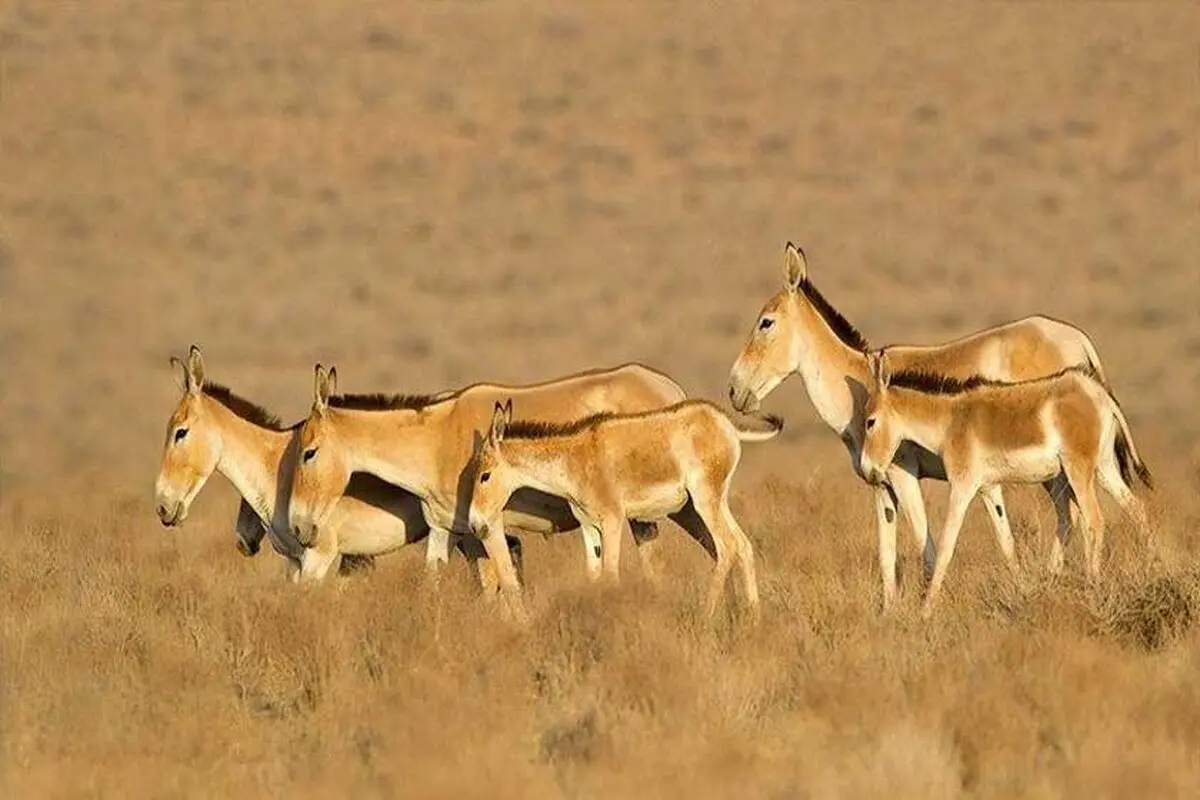
Kavir National Park is a sanctuary for several iconic mammal species. Significant populations of Wild Goat (Bezoar) thrive in the highlands of Siah Kooh and Nakhjir, while Wild Sheep and Ewe flourish in mountainous steppe areas. The graceful Chinkara (Indian Gazelle) is an emblematic resident of the plains. Efforts are ongoing to reintroduce the Iranian Zebra (Onager), whose natural populations have drastically declined. Carnivores such as the Leopard, Wolf, Hyena, and various Wild Cats (including the elusive Sand Cat), along with rare sightings of the Asiatic Cheetah, indicate a relatively healthy food chain within this Desert National Park, Iran.

Avian and Reptilian Wonders of the Desert

The park's avian life is particularly vibrant during migration seasons, with Herons, Flamingos, Geese, and Ducks congregating around water bodies. Raptors like Eagles, Hawks, and Vultures command the skies, while terrestrial birds such as Partridges and See-see Partridges are found in specific habitats. Reptiles are also well-represented, with various species of Lizards, Monitor Lizards, and Snakes, including the venomous Persian Horned Viper (Pseudocerastes), playing vital roles in the ecosystem of Kavir National Park.

Preserving a Legacy: History, Threats, and the Future of Kavir National Park

Kavir National Park is not just a natural wonder but also a custodian of human history and a battleground for conservation. Understanding its past and present challenges is crucial for safeguarding its future as one of Iran National Parks.

Echoes of History: Ancient Routes and Desert Architecture

Echoes of History: Ancient Routes and Desert Architecture
The region's history of protection dates back to the 1960s, officially becoming a National Park in 1976. Its international importance as an Important Bird Area and a refuge for unique animal populations is undeniable. Beyond its ecology, Kavir National Park reveals a rich cultural tapestry. Historical structures like the Safavid-era Bahram Palace and Eynolrashid Caravanserais, once crucial stops on ancient trade routes (similar to the significance of Persepolis to ancient Persian civilization), narrate stories of human adaptation to the desert. Remnants of ancient qanats, Deir-e Gachin Castle, and the Old Cobblestone Caravan Road further illustrate the ingenuity and endurance of past civilizations.

The Environmental Imperative: Addressing Challenges and Charting a Sustainable Future

Like many precious ecosystems, Kavir National Park faces serious environmental threats. Drought and climate change severely impact water resources, while illegal hunting and habitat degradation from livestock grazing and infrastructure development exert immense pressure on Iran Kavir Wildlife. Water extraction from surrounding aquifers exacerbates the crisis. Conservation strategies include enhanced monitoring, sustainable water management, species recovery programs (especially for the Iranian Onager and Asiatic Cheetah), and promoting responsible ecotourism to ensure the park's vitality. The future of Kavir National Park hinges on robust cross-sectoral cooperation and increased public awareness.

Things to Do at Kavir National Park

Wildlife Spotting and Photography

Embark on guided safaris to observe the park's incredible Iran Kavir Wildlife, including Chinkara, Wild Goat, Wild Sheep, and various bird species. Capture breathtaking shots of desert fauna in their natural habitat.

Explore Historical Caravanserais

Visit the ancient Bahram Palace and Eynolrashid Caravanserai. These Safavid-era structures offer a fascinating glimpse into Iran's historical trade routes and architectural prowess in desert environments, providing a cultural counterpoint to the natural beauty of Kavir National Park, Iran.

Stargazing in the Desert

Due to its remote location and minimal light pollution, Kavir National Park offers unparalleled opportunities for stargazing. Experience the magic of the Milky Way and countless constellations under the clear desert sky.

Desert Trekking and Hiking

With an experienced local guide, explore the diverse landscapes, from the challenging terrains of Siah Kooh to the serene, expansive plains and unique playas. Discover the geological wonders and unique flora adapted to this Desert National Park, Iran.

Your Practical Guide to Visiting Kavir National Park

Best Time to Visit

The ideal time to visit Kavir National Park, Iran, is during the mild seasons of autumn (mid-October to late December) and spring (mid-March to late May). These periods offer pleasant temperatures for exploring. Early mornings are best for wildlife observation, while late afternoons provide stunning light for photography and cooler conditions.

Getting There

Kavir National Park is best accessed by private vehicle or a guided tour from Garmsar or Qom or Kashan. Due to the park's vastness, lack of clear signage, and challenging terrain, hiring an experienced local guide is highly recommended. Public transport options are limited and do not reach the core areas of the park.

Entrance Fee

Foreign tourists should anticipate an estimated entrance fee of $10-15 USD. Additionally, specific permits from the Provincial Department of Environment are required to enter the core zone of Kavir National Park, which your tour operator or guide can assist in arranging.

Frequently Asked Questions

Author: Deytrips Team
Was this content helpful?

Embark on Your Desert Adventure

Discover the unique wildlife and historical wonders of Kavir National Park with our expert-guided tours. Experience the untouched beauty of Iran's central desert, perfectly curated for an unforgettable journey.

Plan Your Trip to Kavir National Park