Alexander's Prison Yazd

Yazd
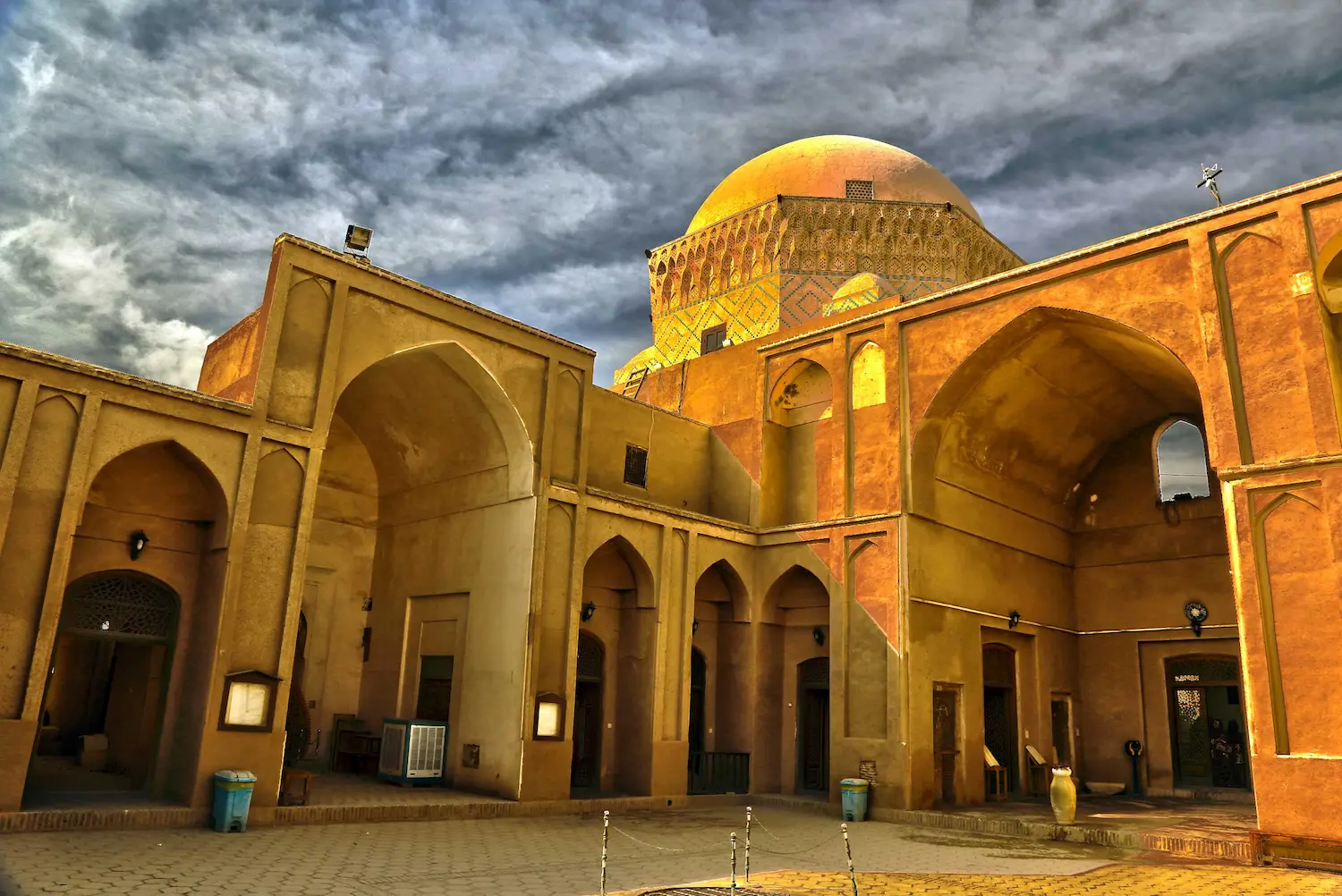
Alexander's Prison Yazd
The Enduring Enigma: Alexander's Prison Yazd, Myth vs. History
The Legend of Zendan-e Eskandar
Historical Truth: A Center of Learning, Not a Dungeon

Alexander's Prison Yazd

Step into the heart of Yazd's ancient labyrinth and discover one of the city's most famous and enigmatic monuments: Alexander's Prison Yazd. Known locally as Zendan-e Eskandar, this towering structure captivates visitors not just with its beautiful dome and architecture, but with the grand historical myth attached to its name. Is it truly a relic of Alexander the Great's conquest, or does it hold a different, deeper secret? This comprehensive guide will navigate the history, the architectural beauty, and the practicalities of visiting this compelling site deep within the UNESCO World Heritage city, offering a unique glimpse into historical attractions of Iran.

The Enduring Enigma: Alexander's Prison Yazd, Myth vs. History

The Enduring Enigma: Alexander's Prison Yazd, Myth vs. History

The allure of Alexander’s Prison Yazd, or Zendan-e Eskandar, lies in the captivating tug-of-war between its popular legend and its substantiated historical identity. For centuries, local lore has woven a dramatic tale around this imposing structure, attributing its construction to none other than Alexander the Great during his legendary 4th-century BCE campaign across Persia. This powerful narrative, passed down through generations, firmly branded the site with its evocative name and imbued it with a sense of ancient, fearsome grandeur. Visitors often arrive, drawn by the romantic notion of stepping into a dungeon built by one of history's most formidable conquerors.

The Legend of Zendan-e Eskandar

The Legend of Zendan-e Eskandar
The widespread belief that this site served as a prison for Alexander's enemies has profoundly shaped its public image. It's a testament to the enduring power of oral tradition and epic narratives in shaping a nation's historical landscape. This dramatic origin story often overshadows the building's true purpose, offering a thrilling entry point for travelers eager to delve into the myths of ancient Iran. The stark contrast between this fierce legend and the serene reality creates a unique interpretive experience for every visitor to Alexander's Prison Yazd.

Historical Truth: A Center of Learning, Not a Dungeon

Historical Truth: A Center of Learning, Not a Dungeon
Despite the compelling myth, archaeological and architectural evidence consistently points to a different origin for Alexander’s Prison Yazd. Historians largely agree that the complex was constructed much later, most likely during the Ilkhanid or Timurid periods (13th to 15th centuries CE). The intricate design, featuring classrooms, a vast central octagonal courtyard, and decorative halls, strongly suggests its primary function was a high-level madrasa (Islamic school) or even a small astronomical observatory. This perspective firmly places Zendan-e Eskandar within the rich architectural tradition of medieval Islamic education, a far cry from a military prison. To learn more about the city’s rich heritage, consider exploring other Yazd attractions.

Architectural Grandeur of Alexander's Prison Yazd

Architectural Grandeur of Alexander's Prison Yazd

Beyond its intriguing history, Alexander's Prison Yazd stands as a remarkable example of traditional Persian architecture, specifically reflecting the aesthetic and functional characteristics of the Ilkhanid and Timurid eras. Its robust yet elegant design has allowed it to endure centuries of desert climate, adapting and evolving in function while retaining its core structural integrity. The complex is a harmonious blend of practical construction and artistic embellishment, showcasing the ingenuity of ancient Persian builders.

The Striking Octagonal Courtyard

The most defining feature of Zendan-e Eskandar's interior is its spacious octagonal courtyard. This design, common in the period for educational and religious complexes, served as a central gathering point, facilitating efficient light distribution and access to the surrounding rooms. These small chambers, likely used as student dormitories or classrooms, further support the theory that Alexander’s Prison Yazd was a vibrant center of religious learning. The high walls enclosing the courtyard, while hinting at a defensive purpose, actually provided a secluded and contemplative environment essential for study.

The Magnificent Dome: A Celestial Canopy

Crowning Alexander’s Prison Yazd is its magnificent, towering dome – an architectural highlight visible from many points within the Old City. The dome's exterior profile creates a striking visual contrast against the lower, residential rooftops of Yazd's mud-brick houses. Its interior, however, is where the true artistry unfolds. Decorated with stunning, intricate gold and azure tiling and plasterwork, the dome features complex geometric and delicate floral motifs characteristic of the Timurid era. This detailed craftsmanship is entirely incompatible with the grim function of a simple military prison, strongly reinforcing its identity as a sacred educational building and a testament to the aesthetic values upheld in a cultural tour of Iran.

Subterranean Secrets: Wells and Howzkhaneh

Adding another layer of intrigue, Alexander’s Prison Yazd features unique underground elements. These include a deep well and a basement area that likely functioned as a howzkhaneh (a pool house) or perhaps even a library. Such subterranean spaces were crucial components of desert architecture, ingeniously leveraging the earth’s natural coolness to provide climate control during Yazd’s scorching summers. Exploring these cool, dimly lit chambers offers visitors a fascinating insight into the historical ingenuity employed to create comfortable living and study environments.

Alexander's Prison Yazd: A Living Cultural Hub in UNESCO Yazd Old City

Today, Alexander’s Prison Yazd transcends its historical interpretations to function as a dynamic living cultural center, seamlessly integrated into the fabric of the UNESCO-inscribed Yazd Old City. This site is not just a relic of the past but a vibrant space that celebrates Yazd’s enduring artistic and cultural heritage, providing a tangible link between history and contemporary local life. Its current role offers visitors a unique opportunity to engage directly with the traditions and craftsmanship that define this ancient desert city.

Proximity to Yazd's Architectural Gems

The strategic location of Zendan-e Eskandar deep within the Old City places it in close proximity to other iconic landmarks. Just a short, atmospheric walk through winding mud-brick alleys connects it to the majestic Jameh Mosque of Yazd, a prime example of Persian-Islamic architecture. This historical adjacency is significant, as major madrasas were often built near grand mosques to facilitate religious study and community engagement. The journey between these sites immerses you in the most atmospheric and well-preserved 'koochehs' (alleys) of Yazd, allowing you to appreciate the ingenious architecture of traditional homes and their famous wind-towers (badgirs).

A Center for Artisans and Cultural Exhibits

The rooms surrounding the octagonal courtyard of Alexander’s Prison Yazd now host a variety of artisan workshops, cultural exhibits, and small museum shops. Here, visitors can witness traditional Yazdi handicrafts being created, from intricate textiles to pottery, and purchase unique souvenirs. This peaceful, creative atmosphere stands in stark contrast to the site’s popular myth, offering a genuine appreciation for the cultural continuity and living traditions that persist within this historical structure. It's a place where the past informs the present, making your visit truly enriching.

What to Do at Alexander's Prison Yazd

Explore the Iconic Dome and Courtyard

Marvel at the stunning azure and gold tiling of the dome's interior and absorb the serene atmosphere of the octagonal courtyard, imagining its past as a center of learning.

Discover Subterranean Secrets

Venture into the cool, underground chambers, including the ancient well and possible howzkhaneh, gaining insight into traditional desert architecture and climate control.

Browse Artisan Workshops and Shops

Support local craftsmen by visiting the small shops and workshops within the complex, offering authentic Yazdi handicrafts and souvenirs.

Visit the Twelve Imams Mausoleum

Step next door to the Bogheh-ye Davazdah Imam, a Seljuq-era brick structure, to compare architectural styles and deepen your understanding of the area's historical significance.

Your Practical Guide to Visiting Alexander's Prison Yazd

Best Time to Visit

The optimal seasons to visit Yazd, and by extension Alexander's Prison Yazd, are spring (March to May) and autumn (September to November), when the weather is mild and pleasant. To best experience the site, aim for mid-morning or early afternoon. This allows the desert sun to beautifully illuminate the contrast between the golden mud-brick walls and the dome’s azure tiling, perfect for photography, and avoids the initial morning rush.

Getting There

Alexander’s Prison Yazd is located deep within the pedestrian-only Old City of Yazd. The best approach is to take a taxi to the perimeter of the Old City (e.g., near Jameh Mosque or Amir Chakhmaq Complex) and then enjoy a short, scenic walk through the winding, narrow alleys. Clear signposts for 'Alexander's Prison Yazd' or 'Zendan-e Eskandar' will guide you through the charming labyrinth. Public transport doesn't directly reach the site due to its historical location.

Entrance Fee

For foreign tourists, the estimated entrance fee for Alexander's Prison Yazd is typically around $2-5 USD (or its equivalent in Iranian Rials). It's always advisable to carry local currency, as credit card payments are not commonly accepted at historical sites.

Alexander's Prison (Zia'iyeh School), Yazd: Visiting Hours

The visiting hours for the Alexander's Prison (or Zia'iyeh School) in Yazd typically vary by season:

  • First Half of the Year (Spring/Summer): Usually from 8:00 AM to 7:00 PM (19:00).

  • Second Half of the Year (Autumn/Winter): Usually from 8:00 AM to 5:00 PM (17:00).

Important Notes

  • Seasonal Variation: Some sources may mention slightly different hours (e.g., open until 7:45 PM / 19:45).

  • Holidays: It is best to check the exact time during official public or religious holidays, such as Arba'een, as the schedule may change.

  • Days Open: The building is generally open daily, except for specific religious holidays (such as Ashura, the passing of the Prophet (PBUH), and the martyrdom of Imams).

Frequently Asked Questions

Author: Deytrips Team
Was this content helpful?

Unravel Yazd's Ancient Mysteries

Ready to explore the legendary Alexander's Prison Yazd and other wonders of this UNESCO city? Our expert-led tours offer an unforgettable journey through history and culture.

Plan Your Yazd Adventure